13th May 2026Reading Time: 5 Minutes
Saving $5,000 in a year can feel intimidating, especially when monthly expenses already feel stretched. For many households, the number sounds unrealistic at first, particularly when everyday costs and financial responsibilities compete for attention.
In practice, reaching this milestone is often achievable through steady, intentional changes rather than extreme lifestyle cutbacks. When the goal is broken into smaller steps, it becomes easier to stay consistent and avoid frustration.
This guide focuses on practical strategies that work across different income levels and family situations. The emphasis is on progress, not perfection, and on building habits that support long-term financial stability without feeling restrictive.
Setting a goal to save $5,000 in a year can feel overwhelming when viewed as a single lump sum. The goal becomes far
more approachable when it’s broken into smaller, measurable targets that fit into everyday budgeting.
Spread across twelve months, saving $5,000 works out to about $417 per month. On a weekly basis, that’s roughly $96.
Looking at the goal this way helps reframe it as a realistic annual savings goal rather than an abstract number.
Each of the tips below connects everyday financial habits to these smaller benchmarks, showing how consistent actions throughout the year can add up to meaningful savings.
Savings goals are most effective when they are specific. Rather than aiming to “save more,” it helps to define exactly
what the $5,000 is for and when you want to reach it.
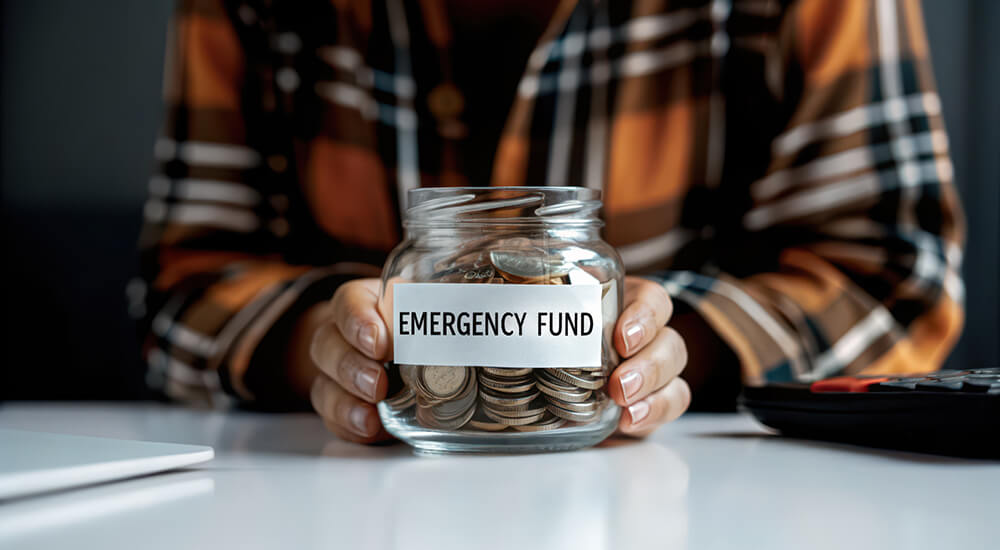
Linking the goal to an emergency fund, upcoming expense, or short-term priority gives the number purpose. Purpose makes it easier to stay committed when spending decisions feel tempting or unexpected costs arise.
Setting a timeline that aligns with your pay schedule also helps savings feel achievable. Progress becomes something you expect regularly, rather than something that feels uncertain or discouraging.
One of the most reliable money saving tips is automation. When savings transfers happen automatically, they no longer depend on memory, motivation, or willpower.
Scheduling recurring transfers shortly after payday helps ensure money is set aside before it can be spent elsewhere.
Even smaller amounts become meaningful when they’re applied consistently.
Over time, this approach to automatic savings reduces decision fatigue and allows progress to build quietly in the background, month after month.
Many people underestimate how much small, recurring expenses affect their overall budget. Reviewing spending patterns often reveals areas where modest adjustments can be made without sacrificing quality of life.
Subscriptions, dining out, and impulse purchases are common examples. The goal isn’t elimination, but awareness and control over where money is going. Tracking spending supports smarter decisions and reinforces healthier habits around how to save money, freeing up cash that can be redirected toward your annual savings target.
Another useful exercise is categorizing expenses as fixed, flexible, or optional. Fixed costs are harder to change quickly, but flexible spending often offers room for adjustment. Simply pausing before discretionary purchases can reduce impulse spending. Over time, these small pauses create awareness and control, making it easier to redirect money toward savings without feeling deprived or constrained by rigid rules.
This approach also helps households identify patterns that repeat month after month. When patterns become visible, decisions feel intentional rather than reactive. Even modest improvements in spending awareness can free up cash that supports long term goals, especially when combined with consistent saving habits.
The result is progress that feels sustainable, realistic, and aligned with everyday life, rather than temporary or extreme budgeting measures that are difficult to maintain long term over time.
Keeping savings separate from everyday spending reduces temptation. When savings sit alongside checking funds, it becomes easier to dip into them unintentionally.
Using a dedicated personal savings account for your $5,000 goal creates a clear boundary between money meant for spending and money meant for saving. That separation reinforces discipline and consistency.
For customers who keep larger balances in their checking accounts, SBI California offers high-yield checking accounts, which allow everyday funds to earn interest while still remaining accessible for regular transactions.
SBI California also offers savings and money market account options that help keep savings accessible while still clearly separated from daily spending.
Windfalls such as tax refunds, bonuses, or unexpected cash gifts can significantly accelerate progress toward your savings goal.
Rather than choosing between saving everything or spending it all, consider setting aside a portion. This balanced approach allows you to enjoy part of the money while still strengthening your financial position.
For windfalls you don’t need immediate access to, placing the money in a certificate of deposit can help earn predictable interest while keeping those funds separate from everyday spending.
Applying windfalls strategically can move your savings forward without affecting monthly cash flow or requiring additional sacrifices.
Fixed expenses often have the greatest long-term impact on savings. Reviewing insurance policies, service plans, or utility costs once or twice a year can uncover meaningful opportunities to reduce spending.
Even modest reductions in recurring bills can translate into hundreds of dollars over time. The key is periodic review rather than constant change.
Redirecting these savings toward your annual goal supports steady progress without disrupting everyday routines or comfort.
Temporary adjustments are most effective when they evolve into habits. Reviewing progress every few months helps
identify what’s working and where refinements may be needed.
Flexibility keeps savings sustainable and prevents burnout. Missing a target occasionally matters far less than maintaining momentum over time.
Consistent habits are ultimately the foundation of long-term success and automatic savings when learning how to save money in a realistic, repeatable way.
SBI California offers tools that support consistent saving, including savings accounts, money market accounts, and certificates of deposit.
The right account structure can help separate funds, earn interest, and reduce the temptation to spend savings. Online banking tools make it easy to schedule transfers, track progress, and adjust contributions as goals evolve.
Branch support is also available for customers who prefer guidance when setting up or refining a savings plan.
If you want to save $5,000 in a year, that is achievable with steady actions and realistic expectations. Small changes, applied consistently, often add up faster than expected.
Starting with one or two strategies builds confidence and momentum. Over time, saving becomes less about effort and more about habit.


Enter your email to get access to our latest insights and articles.
By submitting your email you agree to receive promotional communications from SBI California. You may unsubscribe at any time.
Copyright © State Bank of India, California 2026, All Rights Reserved.