8th May 2026Reading Time: 4 Minutes
Paying down debt can feel overwhelming when you have multiple balances, different interest rates, and minimum payments that barely move the needle. You do not need a complicated system or a perfect spreadsheet. You need a clear plan you can follow consistently, even during busy months or unexpected expenses.
This guide explains two proven approaches, the debt snowball and the debt avalanche method, and how to choose the one that fits your behavior and cash flow. The best strategy is not the one that sounds smartest. It’s the one you will actually stick with.
Gather four details for each debt: balance, interest rate, minimum payment, and due date. Put them into a simple list so you can see what you owe at a glance. This is where momentum starts. The first win in debt repayment is clarity, not a perfect plan.
Next, decide how much extra you can realistically put toward debt each month. Even $25–$100 above minimums can create progress when it is consistent. If you get paid irregularly, choose an “average month” number you can meet most of the time.
Set autopay for minimum payments if you can, and use one central account for bill pay so due dates do not slip. A dependable checking account helps you organize payments, schedule autopay, and keep due dates from slipping during your debt payoff plan.
Both strategies follow the same rule: pay the minimum on every debt, then put all extra money toward one target debt until it is paid off. When that target is gone, you roll that payment into the next target. The key is that your monthly payment “power” grows over time.
What is the snowball method? The snowball method focuses on momentum. You target the smallest balance first, regardless of interest rate. When that balance disappears, you get a quick win and your confidence grows. Many people who search “snowball method debt” are trying to stay motivated through visible progress, especially when debt feels emotionally heavy.
The avalanche method focuses on interest savings. You target the highest interest rate first, which usually reduces the total interest paid over time. You may also see this called the avalanche debt method or debt avalanche method. This approach can be especially helpful when a high-interest credit card balance is keeping you from making progress.
If you need momentum, the debt snowball can be easier to stick with, especially if you have multiple small balances and feel overwhelmed. The psychological boost of clearing a balance quickly can keep you engaged.
If you want to minimize interest costs, the avalanche method is usually the more efficient choice, particularly with high-interest credit card debt. This is often the “math-first” approach because it targets the most expensive debt first.
Ask yourself a simple question: do you need momentum or maximum interest savings? That is the real snowball vs avalanche method decision. Choose one method for at least 90 days before evaluating results. Switching between the avalanche vs snowball method month to month tends to slow progress because your plan keeps changing and your tracking gets messy.
If you are torn, a practical tie-breaker is this: if your highest interest rate is dramatically higher than the rest, the avalanche method may save more money. If your debt feels emotionally draining and you need wins to stay consistent, the debt snowball vs avalanche choice often comes down to what keeps you going.
Progress is harder when new balances are added. A simple rule is to avoid adding new debt while you are aggressively paying down existing balances, especially on revolving credit cards where interest can compound quickly.
You also need to be cautious with cash advances. They can carry fees and immediate interest, which can undo progress quickly. If you are considering one, this guide explains why cash advances can be costly and how they can impact your financial progress.
If you have to use a card for an emergency, the goal is to avoid turning it into a habit. Return to your plan the next month instead of treating one setback as failure.
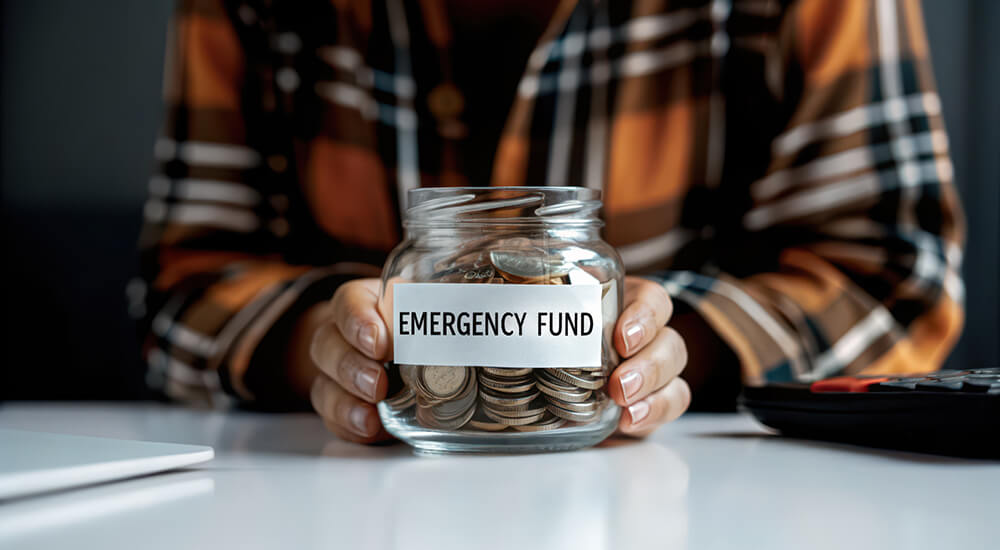
A small emergency buffer reduces the chance that an unexpected expense sends you back to borrowing. Start with $250 to $1,000, then build further once debt is under control. This is not about saving a large amount immediately. It is about protecting your debt payoff progress from common surprises.
Keeping a small safety buffer in a separate savings account helps you handle unexpected expenses without adding new debt.
These emergency fund habits are a helpful next step for building financial resilience while you work through your payoff plan.
Whether you choose debt snowball or the debt avalanche method, consistency is the win. Automate minimums, put extra money toward one target debt, and track progress monthly so you can see the plan working.
Debt payoff is easier when your money is organized. SBI California’s checking account options provide a reliable foundation for budgeting and bill payments, and its savings and money market accounts help you separate and protect your emergency buffer.


Enter your email to get access to our latest insights and articles.
By submitting your email you agree to receive promotional communications from SBI California. You may unsubscribe at any time.
Copyright © State Bank of India, California 2026, All Rights Reserved.