Losing a card is scary—but waiting until you're faced with that day without a plan is even riskier. In 2025, fraudsters are becoming faster and more sophisticated.
The good news: a few simple steps today can help you spot trouble early and act in minutes, not hours.
In this guide, we'll help you create a straightforward "break-glass" plan for support if your card goes missing, leveraging SBI California (SBIC)'s advanced fraud protection tools, and understanding how federal regulations can help protect you when you report promptly.
Our goal: to provide you with calm, clear steps you can use right now.
At a- Glance: The 2025 Card- -Safety Tips
- Turn on instant account alerts. SBIC’s digital banking includes real time fraud monitoringand instant account alerts to help flag activity as it happens.
- Help keep your phone secure (strong passcode, biometrics) by using multi-factor authentication (MFA) on your banking login.
- SBIC’s platform uses MFA and advanced encryption to verify your identity, adding an extra layer of security.
- Build a “lost card plan” with key phone numbers, a short checklist, and a way to review recent transactions fast (mobile banking app makes this easy). SBIC Mobile provides account activity and notifications.
- If you find a strange charge on your debit card, call us right away—early reports matter as federal regulations limit your liability for unauthorized debit card transactions when reported promptly. Contact your credit card issuer right away for credit card frauds.
Set Up Proactive Defense Today (Takes 15–20 minutes)
[1] Turn on (and fine-tune) account alerts
Alerts are one of the quickest ways to catch unusual activity. In SBIC’s digital banking, you canreceive instant notifications on key events. Set:
- Card -present purchases above a small dollar amount (for example, $10–$20).
- Card not- -present (online/phone) purchases—alert for every transaction.
- International transactions—alert for everyone.
- ATM withdrawals—alert for any amount.
- Declines—alerts help you spot testing attempts by fraudsters.
SBIC’s online and mobile banking includes instant account alerts plus real-time fraud monitoring—turn these on and choose push/SMS/email based on your preference.
Tip: If you travel, add travel dates via secure email or call us so our systems know your expected locations. Keep alerts on even while away.
[2] Lock down your login and your phone
- Use a strong phone passcode and biometrics.
- Enable MFA on your SBIC login (it’s built into our platform).
- Don’t store card numbers in screenshots or notes.
- Update iOS/Android and your banking app regularly; updates close security gaps.
[3] Make a quick “card vault” list
Create a private note or password manager- entry with:
- The last four digits of each debit card or credit card.
- Our fraud contact: 1-877-707-1995 (toll-free).
- A short, step-by--step plan to guide you (see “If Your Card Goes Missing section-” below).
[4]Clean up recurring payments
Log in to your major subscription and merchant accounts to confirm which card is on file. Additionally, keep a backup payment method for essential services like utilities, phone bills, and insurance to ensure uninterrupted service in case your primary card is compromised.
[5] Consider Using digital wallets for everyday purchases
Digital wallets often use tokenized numbers unique to your device and merchant. If a store database is compromised, your physical card number is less exposed. (Still keep alerts on.)
Read more: - Debit card vs credit card
Build Your “Break -Glass” Plan (Before Anything Happens)
It's important to have a clear, actionable plan in place before you need it.
Here’s a one-page plan example to print or store in your password manager:
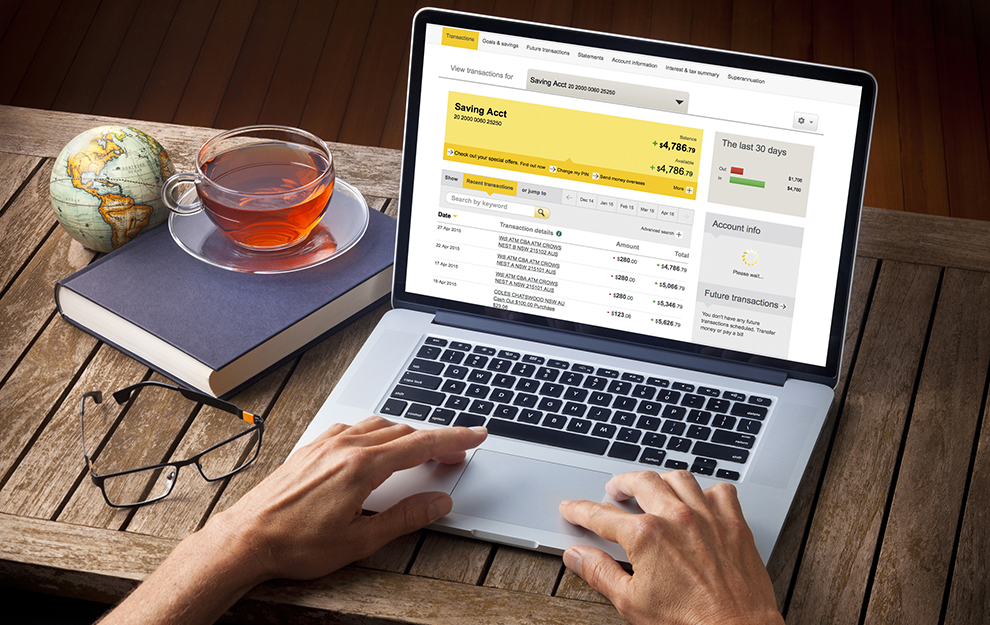
- Suspect a problem? Open your Mobile banking app → check latest transactions. (You can review balances and search recent activity quickly in the app.)
- See anything off? Contact your bank's support immediately. They can help secure your account by blocking your card and guide you through the next steps to be taken.
- Document details: Time, merchant, amounts, and any texts/emails you received related to the fraud.
- Update logins: Change your online banking password and any merchant accounts tied to the card. Monitor your accounts for any further unauthorized activity.
- Track your claim: Keep the case number your bank provides and set a reminder to review follow-up statements.
If Your Card Goes Missing: Misplaced vs. Stolen
Scenario A: misplaced debit card (you think it’s around the house)
- Check your mobile banking app, keep an eye on your account while you continue searching at home.
- If your bank's app offers a temporary lock/unlock feature, use it to prevent unauthorized transactions. If not, contact your bank to discuss whether to replace the card now or continue monitoring.
- If the card doesn’t turn up quickly, treat it as lost and contact your bank.
Scenario B: debit card stolen (you know it’s gone)
- Call your bank promptly so that they can properly block the card and start the replacement process.
- Review recent activity and report any unauthorized transactions/suspicious activity to your bank promptly.
- Change your banking password and enable/confirm MFA.
- Keep an eye on your account statements for any new, unusual transactions. Fraudulent activity can sometimes occur in bursts. Note: Under U.S. federal law (Electronic Fund Transfer Act), if you report your lost debit card within two business days, your maximum liability is $50. Waiting longer could increase that liability significantly.
- So, it’s essential to act quickly if your card is lost or stolen—your financial liability depends on it.
Card Gone Missing? If you’re an SBI (California) customer, Follow SBIC’s Easy Steps
If you’re typing “lost my debit card” or “I lost my debit card, what do I do” into your phone, follow this order:
- Call us now: 1-877-707-1995. By reporting the loss quickly, you reduce liability and enable faster fraud detection.
- Secure your login: Change your password; confirm MFA is on.
- Review recent charges: Flag anything you don’t recognize inside the app.
- Replacement: We’ll help with the next steps to replace your debit card.
- Update autopay's: Switch recurring bills to a backup method, then update them again when your new card arrives.
- Keep alerts tight or sensitive (e.g., low thresholds) for the next month, even after replacement. This helps catch any attempts to misuse old card details.
After Care-: What To Do Once We’ve Secured Your Account - SBI California (SBIC)
- Track your case: Save the reference number. You'll need it for follow-ups or documentation of your case. Keeping all communication tied to this number helps in future inquiries and audits.
- Watch statements: Check daily for a week, then weekly for a month. Manual checks can help catch anything automated systems might miss.
- Replace stored cards: Update streaming services, utilities, rideshare, and phone apps that stored your old card number to avoid payment interruptions and balance issues once your new card arrives.
- Consider a credit bureau fraud alert or freeze if identity theft is suspected; this helps in stopping new account fraud. Our Security Center lists credit bureau contacts for quick reference.
- Change passwords for any merchant accounts used near the time of the fraud.
Why Alerts (Plus Our Monitoring) Make the Difference
Fraudsters often test cards with small charges before larger ones. That’s why setting up account alerts to track activity in real-time- fraud monitoring matters. However, you should not rely solely on system monitoring. You are most familiar with your charges. Reviewing your transactions and statements regularly is important catching fraudulent transactions promptly.
You see charges as they post, and our systems watch for patterns as well. Set low thresholds so even a $1 test ping gets your attention. If you didn’t make the purchase, notify us as soon as you can.
Choosing When to Use Credit vs. Debit Online
As a simple habit, consider using a credit card for higher risk purchases (new websites, travel bookings, marketplace sellers) because federal rules for credit card disputes differ from debit.
Also, many credit card issuers offer zero-liability policies, meaning you pay nothing if the fraud is promptly reported. Certain conditions and limitations may apply. Check the credit card agreement for details.
Debit card frauds are more complex, funds leave your account immediately, potentially causing bounced checks or overdraft fees, and refunds may take time and you may be liable for some of the loss depending on when the fraud is reported.
SBIC Security Features at a Glance
At SBI California (SBIC), we focus on practical tools that help you act fast to help protect you account:
- Instant account alerts: Choose push, SMS, or email so you see purchases, ATM withdrawals, and other activity as it happens.
- Real-time fraud monitoring: Our systems watch for unusual patterns across accounts and help us contact you promptly.
- Multifactor authentication and advanced encryption: Added layers of security for peace of mind.
- Mobile banking: Review balances and recent transactions quickly in the app; turn on notifications.
- Need help now? Call us at 1-877-707-1995 to report suspicious activity or a missing card.
To set these up, visit SBIC website or Mobile Banking app and enable alerts, MFA, and other notifications.
If you’re unsure about a setting, we’ll walk you through it over the phone or in-branch.
A Calm Checklist for Different Situations
“I think I’ve lost a debit card at home.”
- Review today’s transactions; turn on extra sensitive alerts.
- If it isn’t found soon, call your bank to block and replace it.
“I think my stolen debit card is being used.”
- Call your bank immediately; they’ll walk you through the next step to begin the dispute process.
- Change your online banking password; confirm MFA.
“A merchant charged me twice.”
- Save receipts, take screenshots, and call your bank; they’ll help sort merchant errors vs.fraud.
“There’s a random small $1 charge.”
- Treat it seriously; it may be a test. Notify your bank so they can investigate. Add notifications for all low-dollar alerts.
Also read:- Benefits of debit cards
Wrapping Up
In 2025, card safety is about speed and visibility. Set alerts today, keep your login strong, and have a simple plan ready.
If a card ever goes missing—whether it’s a misplaced debit card or a confirmed theft—contact SBI California (SBIC) at 1-877-707-1995 and we’ll walk you through the process to move forward with confidence.
Turn on alerts now, review your settings, and stay one step ahead of fraud.