13th May 2026Reading Time: 8 Minutes
If you’ve ever hesitated before inserting your card at an ATM and wondered whether your money is truly safe, you’re not alone.
Card-skimming devices, PIN-stealing tactics, and other fast-moving forms of fraud are becoming increasingly sophisticated—and they’re affecting consumers in cities and small communities alike.
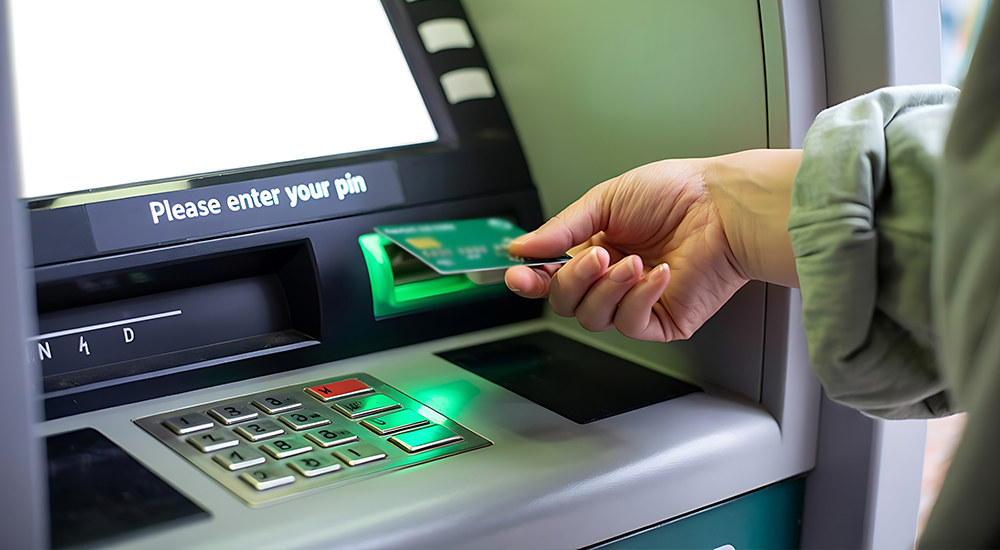
Even as digital payments grow, millions of people across the U.S. still rely on ATMs for everyday cash needs. But being aware of how criminals target ATMs can help you stay safer every time you withdraw.
That’s why, as a bank that works closely with individuals and families across different communities, we want to share
simple ways you can protect yourself, understand what’s happening, and keep your everyday banking stress-free.
ATM fraud happens when someone tries to steal your card details, PIN, or cash by tampering with an ATM or tricking you into entering your information somewhere unsafe.
ATM fraud can occur at bank-owned ATMs, standalone machines, and point-of-sale locations (e.g., grocery stores, gas stations, mall kiosks).
Although ATMs have strong protections like encryption and chip technology, criminals may attach tiny devices or use hidden tools to capture your information without your knowledge.
Being aware of these tactics is the first step toward debit card fraud awareness and safer everyday banking.
Also read: What is Credit Card Cash Advances
Card skimming occurs when criminals attach a device to an ATM that copies data from the magnetic strip on your card. Sometimes they also place a tiny camera near the keypad to capture your PIN, as you enter it.
Some more advanced versions, called shimmers, can even capture data from chip-enabled cards.
Here’s how it works: you insert your card, withdraw your money, and leave—without realizing your card information has been copied.
Some skimming device types:
This is why card skimming protection matters, and understanding what skimmers look like (loose components, odd attachments, suspicious cameras) can help you avoid them.
ATM fraud can lead to unauthorized withdrawals, suspicious charges, or compromised account information.
In many cases, fraudsters test a small transaction first to ensure the stolen card info works before attempting larger withdrawals. This makes early detection crucial.
Common signs include:
While banks today use advanced systems to detect suspicious activity, you play a key role in early detection.
ATM fraud is rising due to a combination of technological, behavioral, and environmental factors:
1. ATMs Located Far From Banks
Standalone ATMs or outdoor kiosks often receive less monitoring. Criminals prefer them because attaching devices is easier without drawing attention.
2. Smarter, Smaller Devices
Skimmers are now thinner, wireless, and visually harder to spot. Some even send information remotely, letting criminals operate without retrieving the device.
3. Higher ATM Usage in Certain Areas
Busy locations create opportunities—more foot traffic means criminals blend in easily, making it easier for criminals to succeed.
4. Lack of User Awareness
Many people still don’t look closely at ATMs before inserting their cards, making it easier for criminals to succeed. This makes ATM fraud prevention more important than ever.
1. Card Skimming
Small devices placed over/inside the card slot copy card information and use it to create counterfeit cards.
2. Card Trapping
A fake slot traps your card so criminals can retrieve it later.
3. Camera-Based PIN Theft
Tiny, hidden cameras positioned near the ATM keypad record your PIN as you enter it.
4. Fake Keypads
Overlay keypads record your keystrokes, providing fraudsters with both card and PIN info..
5. Cash Trapping
Each of these methods can be avoided with the right ATM security tips, which we’ll cover in detail below.
ATM machines are built to be sturdy and firmly attached. Any loose or unusual parts are a red flag.
Look for:
If anything looks or feels strange, trust your instincts and avoid using that ATM.
These simple habits make a major difference in helping to keep your card and accounts secure.
1. Use Bank ATMs When Possible : Bank-operated ATMs typically have better surveillance, systems maintenance, and routine inspections, making them less attractive to criminals than standalone machines.
2. Cover Your PIN entries : Use your hand or wallet to shield the keypad.
3. Inspect the Machine : Before inserting your card, gently tug the card slot and keypad —if they move, avoid using that ATM.
4. Stay Aware of Your Surroundings : Avoid ATMs in poorly lit or isolated areas where someone could watch you or tamper with the machine.
5. Set Up Alerts : Account alerts can help you spot strange activity quickly.
6. Keep Your Card in a Safe Place : Avoid lending your debit card to others.
7. Report Suspicious ATMs : If something looks altered or behaves strangely, report it to the bank, ATM operator, or local authorities. Quick action can prevent others from becoming victims.
8. Review Account Statements and Activities Regularly : Reviewing account statements and activities regularly can help you detect unusual activities earlier and reduce potential losses.
How Your Bank Helps Protect You
Banks in the U.S. use multiple layers of security, including:
We encourage you to stay aware of unexpected alerts or transactions. Quick reporting can help prevent further issues from occurring.
At State Bank of India (California), we focus on giving you simple, secure everyday banking options that helps to keep your money safe—whether you’re withdrawing cash, shopping, or transferring funds.
Even though we do not operate our own ATMs, our checking and savings account services are designed to offer strong protection against unauthorized activity.
Features like online alerts, secure digital access, debit card controls, and reliable customer support help you respond quickly if something seems unusual.
Your debit card also comes with important safety features that help reduce risks from fraud or unauthorized use.
We’re here to help make your banking experience remains simple and safe.
Building small routines can help you stay protected all year round:
Checking your monthly or weekly statements helps you quickly spot any transactions you don’t recognize.
Alerts on your phone let you know immediately when money enters or leaves your account.
Regularly updating your PIN reduces the chances of someone guessing or stealing it.
Keep your phone numbers and email addresses updated so you can receive important alerts from your bank.
Official apps have built-in security features that help protect your account during everyday use.
Public networks can be less secure, making it easier for others to intercept your information. These habits strengthen your overall safety and reinforce good ATM fraud prevention practices.
If you ever notice a transaction you don’t recognize, here’s what you can do to minimize potential losses and protect your accounts:
1. Contact your bank’s customer support immediately.
Reaching out right away helps the bank take quick action to protect your account.
2. Lock or block your debit card through your banking app.
Temporarily freezing your card stops anyone from making new transactions.
3. Review your recent transactions for additional unauthorized activity.
Looking through your history helps you catch any other charges you didn’t make. Document these, as the bank may require details for investigation.
4. Change your PIN as soon as possible.
Updating your PIN can prevent further misuse if someone has seen or copied it.
5. Follow Bank Guidance
Banks have dedicated fraud teams to guide you through the next steps, like filing fraud reports, disputing charges, and recovering lost funds.
Remember, you’re never alone when something goes wrong—your bank is there to help guide you through the next steps.
Also read: Debit Cards vs. Credit Cards
ATM fraud may be rising, but staying informed and building simple habits can keep you safer every time you withdraw cash.
You don’t need to stop using ATMs—you only need to stay aware and take a few precautions.
As your banking partner, we’re here to support your everyday financial needs with personal and business accounts, safety tools, and a smooth banking experience.
If you’re looking for a checking account, a savings account, or a debit card with strong security features, we’re here to
help you take the next step confidently.
Ready to explore safer, simpler banking with SBIC? Get started today.


Enter your email to get access to our latest insights and articles.
By submitting your email you agree to receive promotional communications from SBI California. You may unsubscribe at any time.
Copyright © State Bank of India, California 2026, All Rights Reserved.