Welcome to our new domain: sbical.bank. Please update your bookmarks accordingly.

image

16th Dec 2025Reading Time: 5 Minutes

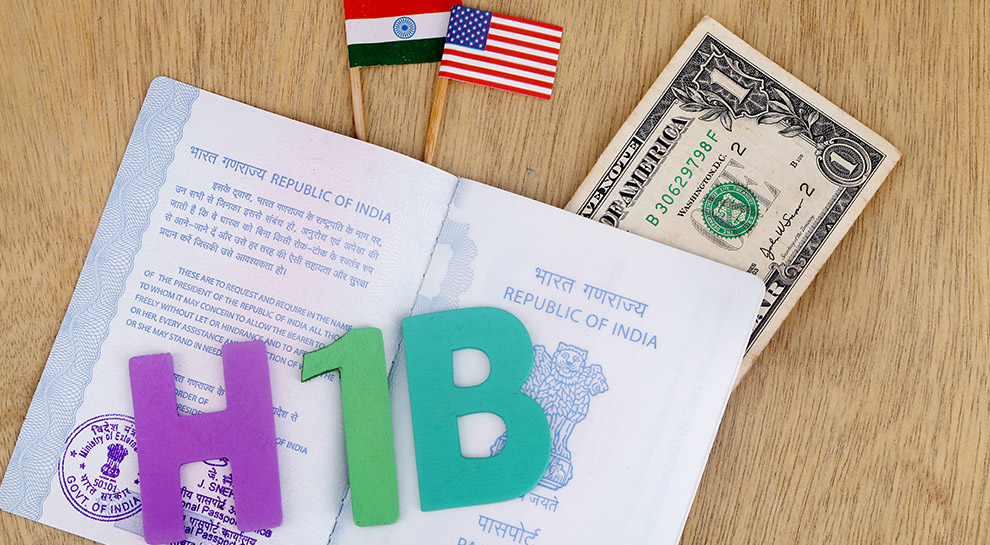
The $100,000 H-1B Fee: How It Could Reshape Talent Flows, Remittances & Community Banking

What happens when it suddenly costs a $100,000 to bring a skilled worker to the United States? 

This isn't just a question for immigration lawyers or tech firms. It’s a question for thousands of families, small businesses, and the banks that help people send money abroad, open a savings account, or plan for a better future. 

On September 19, 2025 Presidential Proclamation (PP) Restriction on Entry of Certain Nonimmigrant Workers, was issued, restricting the issuance of H-1B visas, except for those aliens whose petitions are accompanied or supplemented by a payment of $100,000. These restrictions apply only to H-1B petitions filed with USCIS after the Proclamation’s effective date of September 21, 2025, 

But what does this mean for you?  If you need banking services, supporting family overseas, or a business owner trying to hire the best people, the new H1B rules could change your financial decisions. 


Understanding the H1B Visa Surcharge

  • In September 2025, the U.S. government introduced a $100,000 fee on new H-1B visa petitions filed for workers outside the country. 
  • This is a one-time fee applicable to new petitions filed on or after 12:01 a.m. ET, September 21, 2025, and must be paid by the employer. 
  • It does not apply to H-1B holders already working in the U.S. or students transitioning from U.S. universities


H1B Visa Rule and Remittances: How Do They Connect

A key question many are asking is how the H1B visa changes and remittances connect. Will fewer H1B workers mean less money sent home?  

Possibly. But the answer isn’t simple.  

Remittance behavior is resilient

While there may be a drop in foreign workers coming to the U.S., those already in the U.S. will continue to support families abroad. They’ll still:  

  • Pay for education and medical expenses back home. 
  • Help elderly parents manage household budgets. 
  • Invest in property or other goals in their home country. 

But strategies may change 

The focus may shift toward:  

  • More consistent, smaller payments rather than large one-time transfers, as migrant senders may adopt more flexible patterns given heightened uncertainty. 
  • Households may rely more on digital platforms, which charge lower fees, faster transactions, and specialized remittance corridors to optimize costs. 
  • Choosing trusted remittance partners like SBIC remittance services that provide transparent, secure and affordable transfers.  

At SBI California, we see remittances as more than a financial service—they’re a deeply emotional and practical commitment to loved ones across the globe. 


What This Means for Community Banks 

The effects of the new H1B rules are being felt by community banks. As less foreign workers arrive in the U.S. there may be a reduction in: 

  • Account openings 
  • Loan applications 
  • Remittance transfers 
  • Business banking

services For example: 

  • Fewer new H-1B workers may mean slower growth for community banks that rely on new immigrant. 
  • Small businesses that rely on talents from overseas may need more flexible banking tools—like payroll accounts tied to global talent, shorter-term financing, cross‑border payment services, or digital onboarding of remote/offshore workers.

 Forward-looking banks like SBIC are adapting to meet these needs — offering banking options that work both in the U.S. and for global ties abroad


Why This Also Matters to Businesses  

If you're a business owner, the H1B visa fee could affect more than just hiring. It can change how you grow. 

  • Startups and mid-sized firms may hesitate to sponsor overseas employees due to high upfront costs. 
  • Employers might turn to outsourcing, remote work arrangements, or expand off‑shore/near‑shore staffing rather than relocate workers to the U.S. 
  • Industries like IT, engineering, and healthcare — which heavily rely on skilled foreign labor — may face talent shortages or increased wage pressures.

 This could lead to broader economic shifts, including: 

  •  More remote roles being filled offshore, reducing U.S.-based compensation, spending, and tax contributions. 
  • Slower job growth in regions that benefit from immigrant-driven entrepreneurship and skilled-worker inflows. 
  • A reevaluation of workforce development strategies to train local talent faster. 

 Community banks like SBIC, which understand the financial needs of both employers and workers, play a key role here. Through our SBIC remittance services, international wire capabilities, and small business banking, we help clients adapt to labor and market changes.


Saving Smarter in Times of Policy Change  

The truth is that policy changes come and go. But your need for financial security doesn’t. Here’s how to adjust your financial habits under the current climate: 

  • Open or grow your savings account — this gives you flexibility whether you’re planning to stay, return home, or make a major move. Create an emergency fund (with 3–6 months of living expenses) and automate your savings. 
  • Choose remittance providers that offer value and consistency — SBIC is proud to support efficient services to send money abroad at competitive rates. 
  • Keep records organized — of bank statements, remittance transactions, and account activity, especially if you plan to change employers, or apply for loans. If you plan to adjust visa status, consult your legal counsel. 
  • Consult a financial partner who understands your financial needs. 


What Makes SBIC a Reliable Partner in Times Like These?

In times of uncertainty, you need stability. That’s why SBI California continues to support the local and international communities with: 

  • SBIC remittance services that help you send money abroad securely and affordably. 
  • Checking account and savings account options designed for working professionals and families. 
  • Personalized support — online and at our branches — with people who understand the context behind every transaction. 
  • Business banking and loan solutions (like trade‑finance, letters of credit, and more) that empower entrepreneurs to manage international operations and growth. 

 We know what it's like to navigate two countries, two currencies, and two different sets of expectations. That’s why we’re here to make your financial journey smoother, one step at a time. 

Also read: International Wire Transfers vs. Remittances

Wrapping Up 

Policy changes may create confusion and challenges.  

At SBIC, we’re ready to stand with you. Whether you needing services, supporting family abroad, or running a business that depends on international talent — our goal is to help you bank confidently, save wisely, and move forward with strength. 

Explore how our remittance and savings solutions can support you in these times of change. Let’s navigate the 

future together — one smart step at a time.