13th May 2026Reading Time: 5 Minutes
Starting school often comes with brand-new financial responsibilities. Tuition payments, rent, groceries, subscriptions, group projects, travel, and part-time income do not always follow a predictable schedule. That’s why students typically need a bank account that’s simpler, more flexible, and easier to manage than what many working adults look for.
Just as important, a student’s first bank account often sets the tone for lifelong habits: how you track spending, how you avoid fees, how you save consistently, and how confident you feel managing money on your own. This guide is designed to help students (and parents) choose an account that’s affordable, practical, and easy to use from day one – especially if you’re comparing the best banks for college students or trying to narrow down the best checking accounts for college students.
When choosing a college student bank account, prioritize features that protect your budget and make everyday money management easy:
For most students, these basics matter more than complicated rewards or promotions. A strong student banking setup should help you stay organized, avoid unnecessary costs, and build confidence as you manage money independently.
A student checking account is a checking account designed specifically for students who are still building income, credit, and financial routines. It typically comes with fewer fees, fewer balance requirements, and practical tools that make it easier to manage money while you’re learning.
Eligibility requirements vary by bank, but student accounts are commonly designed for a specific age range and may require student status. For example, SBI California’s Student Checking Account is available to students ages 18–25, requires a $25 minimum opening deposit, has no minimum balance requirement, and carries $0 monthly maintenance fee*. It also supports online banking access 24/7 and provides access to funds through ATMs and debit card usage. If you want to review features or open an account, see: SBIC Student Checking Account.
A traditional checking account can work for some students, but student accounts may reduce common pain points such as monthly fees, strict minimum balance requirements, or account rules that are hard to meet while you’re in school. In simple terms, the right student bank account should reduce friction. It can help you receive money, pay bills, and track spending without adding unnecessary costs or complexity.
Most students manage finances from a phone or laptop. Mobile access is often the difference between feeling in control and falling behind – especially when you’re juggling school, work, and shared expenses.
When comparing accounts, look for digital tools that make these tasks easier:
Account alerts are especially valuable for students. Low-balance and transaction notifications can help you avoid overdrafts, missed payments, and surprises – particularly when expenses hit at the same time (books, parking, travel, rent).
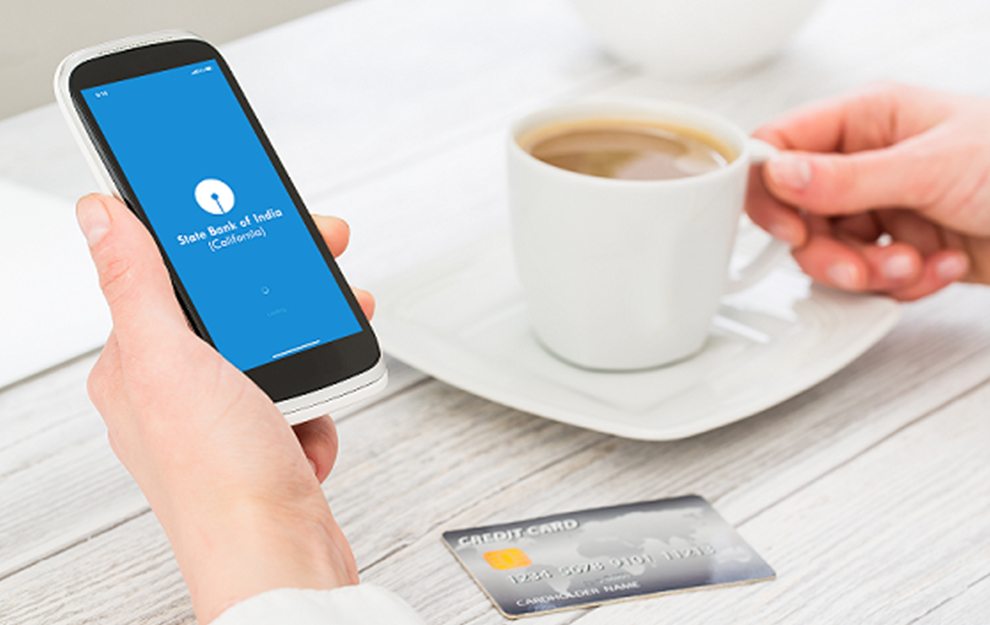
SBI California’s Student Checking Account includes online and mobile banking access so you can manage your finances anytime. To learn more about digital tools and features, visit: Personal Online & Mobile Banking.
Checking accounts are built for spending, not saving. If you want to build good habits early, pairing your checking account with a savings account can be one of the smartest moves you make—even if you start with small amounts.
Common student savings goals include:
A savings account does not have to be complex or high-commitment. The key is creating separation: spending money stays in checking, while “do not touch” money stays in savings. Even saving $10–$25 per week can add up over a semester, and more importantly, it builds discipline.
If you’re ready to add savings alongside your student checking, SBI California offers options you can explore here:
Personal Savings & Money Market Accounts.
For most students, a debit card is the first everyday spending tool. Debit cards draw funds directly from your checking
account, which can make it easier to stick to a budget because you’re spending money you already have
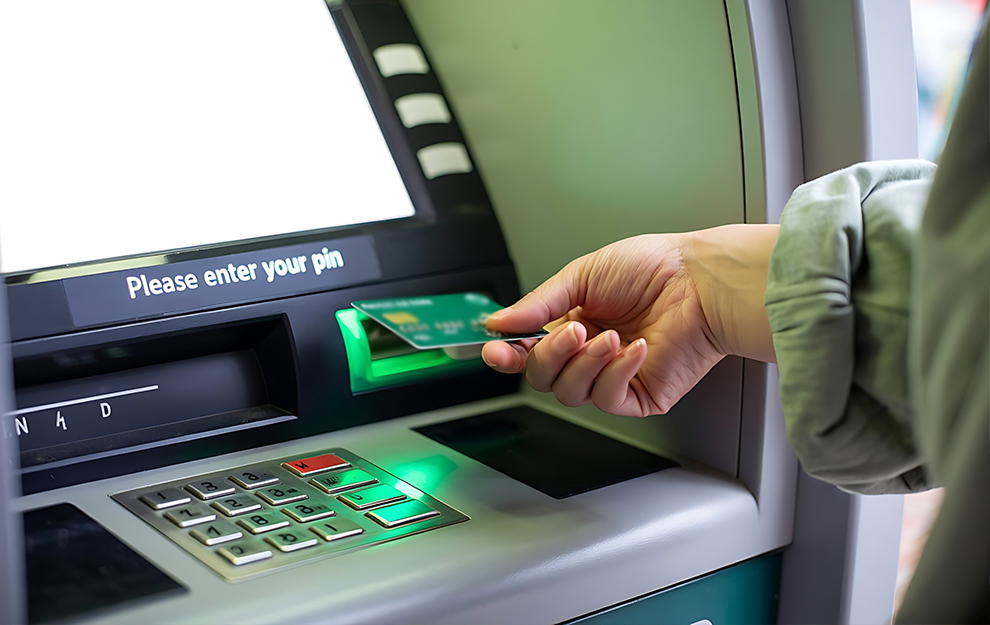
Debit cards are typically best for daily purchases like food, gas, and campus expenses, plus ATM withdrawals. They can help you build healthy habits: track purchases, plan your week, and avoid overspending.
A credit card can make sense for students who are prepared to manage it responsibly. Used correctly, credit can help build credit history, which matters later for renting an apartment, financing a car, or qualifying for better financial products. This is also why families often compare the best banks for college students based on whether accounts can grow with a student over time.
But credit only helps if you avoid overextension. A helpful rule: treat a credit card like a debit card. Only spend what you can pay off in full, on time, every month.
A simple readiness checklist:
To explore debit and credit options for everyday spending, visit: Personal Credit and Debit Cards.
Choosing the right student account is about flexibility, simplicity, and ease of use. The best student banking setup usually begins with a student checking account for everyday spending, then adds savings as your goals grow.
If you’re looking for a college student bank account that keeps things straightforward, SBI California’s Student Checking Account offers $0 monthly maintenance fees, no minimum balance requirement, digital banking access, and debit card/ATM support. *Terms and Conditions Apply. You can learn more or get started here: SBIC Student Checking Account.
Good financial habits built during school often carry into adulthood. Starting with the right student bank account can make it easier to stay organized now and build confidence for what comes next.


Enter your email to get access to our latest insights and articles.
By submitting your email you agree to receive promotional communications from SBI California. You may unsubscribe at any time.
Copyright © State Bank of India, California 2026, All Rights Reserved.