13th May 2026Reading Time: 6 Minutes
Have you ever wondered how your paycheck or various benefits show up in your bank account without you having to visit a branch? Many people use this service every day, but not everyone knows what actually happens behind the scenes.
When you hear terms like “what is direct deposit” or “direct deposit meaning,” they may sound technical, but the idea is simple. It’s a common way for money to be added to your account safely and smoothly.
Whether it’s your salary, a refund, or a recurring payment, knowing what deposit means and learning how direct deposit works can make managing your finances easier and avoid unnecessary delays or fees.
At State Bank of India (California), we aim to help you understand everyday banking so you can move through your finances with confidence.
Here’s a quick look at what you’ll learn in this guide:
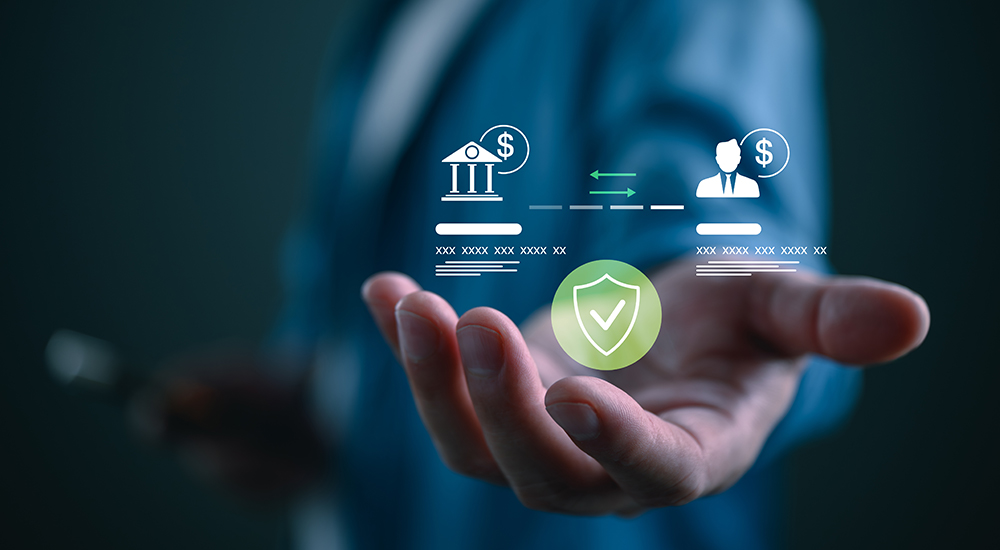
Direct deposit is an electronic method of adding money to your bank account without using a physical check. Instead of handing you a paper payment, the sender, such as an employer, a government agency, or any organization that pays you; transfers the funds directly to your bank.
Once your bank receives the payment, it’s added to your balance and can be used just like any other deposited money.
To understand where direct deposit fits in, it helps to know what a deposit is in general: simply adding money to your bank account.
This can be done by depositing cash, depositing a check, transferring money from another account, or receiving funds electronically. Direct deposit is one of these methods, but it stands out because it’s fully digital and doesn’t require visiting a branch or ATM.
It’s commonly used for recurring payments such as paychecks, refunds, reimbursements, and other regular transfers. Because everything happens electronically and automatically, you avoid the extra steps of receiving, handling, or depositing a paper check.
The money is delivered quickly, securely, and conveniently, appearing in your account as soon as it is processed and ready for use.
Understanding direct deposits becomes easier when you break the process into a few basic steps:
A. You provide your bank information
To set up a direct deposit, you give the payer (e.g., your employer, a government agency, or another organization) your bank’s routing number, your account number, and sometimes a voided check. This helps them send money to the right place
B. The payer sends the payment electronically
Your employer or the organization paying you submits payment instructions through the ACH network, which handles scheduled electronic transfers.
C. Your bank receives the funds
Once the money reaches your bank, it is added to your account. Depending on your bank’s policies, funds may be available immediately or on the next business day.
D. You can use the money as you normally would
You can spend, save, pay bills, or make transfers just like with any other deposit.
The entire process is automatic once set up, so you don’t have to repeat steps every time. This makes direct deposit a convenient choice for regular payments or benefits.
Direct deposit is used in many everyday situations. Some of the most common examples include:
Because the process is electronic, it removes the need for physical checks and long waits, making it a simple way to receive money on a regular basis.
Using direct deposit comes with several helpful advantages. While results vary from person to person, many people appreciate these general benefits:
1.Convenience
You don’t need to visit a branch or ATM to deposit a check. The money goes straight into your account.
2.Time-saving
There’s no need to wait in line or deal with physical paperwork. Payments often arrive faster than traditional check processing, and many banks offer early access to direct deposits.
3.Helps you stay organized
Your payments follow a routine schedule, which can make budgeting and planning easier.
4.Good for recurring income
If you receive a regular paycheck, pension, or other routine payments, direct deposit ensures a smooth and uninterrupted flow of funds without any manual steps.
5.Enhanced security
It reduces the risks associated with lost, stolen, or misplaced paper checks because your information travels through secure, encrypted systems (the ACH network), providing an extra layer of protection.
Overall, direct deposits support simple, smooth day-to-day banking.
Setting up direct deposit is typically straightforward. While every organization may follow its own process, you are usually asked for:
Once this information is recorded, the payer can begin sending funds electronically. You normally only need to set it up once unless you change banks, open a new account, or update account details.
Many people compare direct deposit to traditional paper checks when deciding how they want to receive payments. While both methods are still used today, they function very differently and offer distinct advantages.
Paper checks:
Direct deposit:
Both methods are great, but direct deposit is often preferred because it is easier and more consistent for regular use.
How Direct Deposit Helps With Everyday Money Management
Because direct deposit removes several manual steps, many people find it helpful for keeping their finances organized. It can support smoother budgeting because:
Direct deposit can also make it easier to automate parts of your financial routine, such as paying bills or setting aside money for savings. This can help create a simple, steady system for managing everyday finances.
Make Your Banking Experience Smoother With SBIC
At State Bank of India (California), we understand that simple and consistent banking tools can make your daily routine smoother.
Direct deposit is one of the most widely used ways to receive money, and many of our personal and business accounts support this convenient feature. Whether you're receiving a paycheck, a refund, or a recurring payment, direct deposit can help you access your funds without extra steps.
Our branches and online banking channels can guide you through the setup process. We can help you:
At SBIC, we aim to provide clear, easy-to-follow support so you can focus on your goals while we handle the banking side.
Also Read: CD vs Savings Account
Direct deposit is a simple, reliable, and convenient way to receive money electronically. Whether it’s your salary or a recurring payment, understanding how direct deposit works can help you manage your everyday finances with clarity and ease.
It reduces steps, supports routine payments, and helps your financial life stay organized.
If you want to set up direct deposit with your SBIC account or explore how it works with our services, we’re here to help you every step of the way.

Enjoy low fees, digital convenience, and easy money management with our Easy Checking Account. Designed for your everyday banking, it’s the stress-free way to stay in control of your finances.

Start saving for retirement with competitive rates and tax benefits. Choose a Traditional or Roth IRA and grow your wealth with confidence. Visit us today to open your account!
Send wire transfers online with SBI California. Enjoy fast, secure domestic and international wire transfer services at competitive fees. Wire money internationally today!


Enter your email to get access to our latest insights and articles.
By submitting your email you agree to receive promotional communications from SBI California. You may unsubscribe at any time.
Copyright © State Bank of India, California 2026, All Rights Reserved.